Asian Sunscreen Showdown · 2026 Edition

Korean vs Japanese Sunscreen: Which Should You Buy?

Both countries make world-class sunscreens, but they take very different approaches. We break down the philosophy, ingredients, and best use cases so you can choose wisely.

🇰🇷
Korean sunscreen - Beauty of Joseon
Korean Sunscreen
Skincare-First Approach
🇯
Japanese sunscreen - Biore UV
Japanese Sunscreen
Protection-First Approach
Shop Korean Sunscreen See Full Comparison

Side-by-Side Comparison

The key differences between Korean and Japanese sunscreens.

Feature 🇰🇷 Korean Sunscreen 🇯 Japanese Sunscreen
Core Philosophy Skincare + Protection Maximum UV Protection
Texture Lightweight, cosmetic elegance Varies — some light, some traditional
Skincare Ingredients Rice, probiotics, niacinamide, HA Minimal — focused on UV filters
Water Resistance Light to moderate Strong — designed for outdoors
White Cast Almost none (chemical filters) Minimal, but some mineral options exist
Under Makeup Excellent — designed for this Good, but some can pill
UV Filter Technology Advanced chemical filters Advanced chemical + hybrid filters
SPF / PA Rating SPF50+ PA++++ SPF50+ PA++++
Best For Daily wear, office, campus Beach, sports, outdoor activities
Price Range $10 – $25 $8 – $20
Fragrance Often fragrance-free Some have light scent

Two Different Philosophies

Understanding why each country makes sunscreen differently.

🇰🇷

Korean Sunscreen

"Sunscreen is skincare"

K-beauty treats sunscreen as the final step of your skincare routine. Products double as moisturizers, brighteners, and anti-aging treatments. The goal: make sunscreen so pleasant you actually want to wear it every day.

  • Rice extract for brightening
  • Probiotics for barrier support
  • Hyaluronic acid for hydration
  • Niacinamide for pore control
  • Lightweight, no-white-cast formulas
🇯🇵

Japanese Sunscreen

"Maximum protection, no compromise"

J-beauty prioritizes UV protection above all. Japanese sunscreens use the most advanced UV filter technology and are rigorously tested for water resistance and durability. The goal: protect your skin in any condition.

  • Advanced UV filter combinations
  • Strong water and sweat resistance
  • Long-lasting protection (80+ min)
  • Rigorous SPF testing standards
  • Lightweight "aqua" textures available

Top Picks from Each Country

The best sunscreens we recommend from Korea and Japan.

🇰 Best Korean Sunscreens

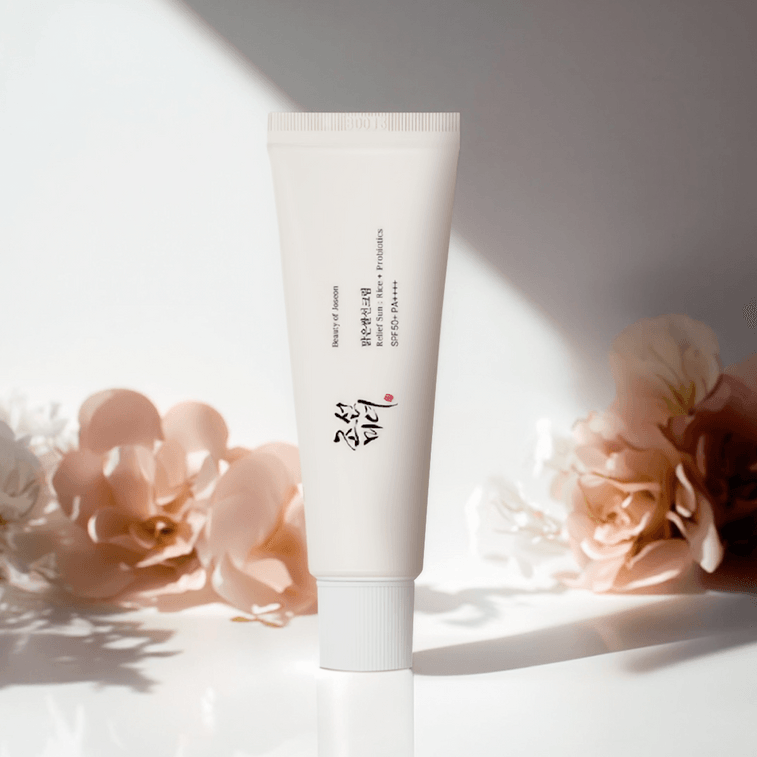
Beauty of Joseon Relief Sun
Rice probiotics formula. Creamy, moisturizing, great for daily wear. No white cast.
$12.31 / 50ml
Round Lab Birch Juice
Ultra-light watery texture. Perfect for oily skin. Absorbs in seconds.
$15.99 / 50ml
Isntree Hyaluronic Acid Sun Gel
Gel texture with HA. Hydrating without heaviness. Great under makeup.
$14.50 / 50ml

🇯🇵 Best Japanese Sunscreens

Biore UV Aqua Rich Watery Essence
The classic. Ultra-light watery texture. Strong water resistance. Beach-ready.
$10.99 / 50g
Anessa Perfect UV Sunscreen
Gold standard for outdoor protection. 80-min water resistance. Sports/beach essential.
$18.99 / 60ml
Skin Aqua Tone Up UV Essence
Light purple tint brightens skin. Light texture. Good for daily wear with a glow.
$9.50 / 50g

Frequently Asked Questions

Everything you need to know about Asian sunscreens.

What is the main difference between Korean and Japanese sunscreens?

Korean sunscreens focus on skincare benefits — hydration, brightening, anti-aging — with lightweight, cosmetically elegant textures. Japanese sunscreens prioritize maximum UV protection and water resistance, often with a more traditional sunscreen feel. Both use advanced UV filters not available in US products.

Which is better for daily wear: Korean or Japanese sunscreen?

Korean sunscreens are generally better for daily wear. They feel like moisturizer, layer well under makeup, and often include skincare ingredients. Japanese sunscreens are better for outdoor activities, sports, and beach days where water resistance matters.

Do Korean sunscreens have better UV protection than Japanese?

Both offer excellent UV protection with SPF50+ PA++++ ratings. The difference is in the approach: Japanese sunscreens often use more UV filters for broader spectrum coverage, while Korean sunscreens balance protection with cosmetic elegance. For most daily activities, both are equally effective.

Which Asian sunscreen is best for the beach?

Japanese sunscreens like Biore UV Aqua Rich and Anessa Perfect UV are specifically designed for water resistance and outdoor activities. Korean sunscreens like Beauty of Joseon are better for daily urban wear. For beach days, go Japanese.

Can I use Korean and Japanese sunscreens together?

You don't need to. Pick one based on your activity: Korean for daily wear, Japanese for outdoor/beach. If you want both, use Korean sunscreen on regular days and Japanese sunscreen on beach/sport days. Don't layer them — it won't increase protection.
Ready to Find Your Perfect Sunscreen?

Korean for daily glow, Japanese for outdoor protection. Or get both.

Shop Korean Sunscreen Shop Japanese Sunscreen